Teen Runaways--A Dangerous and Tragic Problem

83Facts and Statistics about Runaways
A frightening problem in American society today involves runaways. One in seven teenagers between the ages of 10 and 18 will run away from home this year, and it has been estimated that between one and three million teenagers are living on the streets in the United States. Teens leaving home are usually running from something rather than to something; for over 20% of runaways, it is an environment with the potential for physical or sexual abuse. Factors inside the home contributing to this problem might also include a home where criminal activity, violence, or substance abuse is known to occur. Reasons can also consist of problems with school, boyfriends or girlfriends as these issues relate to home life, or difficulties with parents or guardians. There is no one particular issue. The problems that can make teens feel they have no choices but to run are myriad.
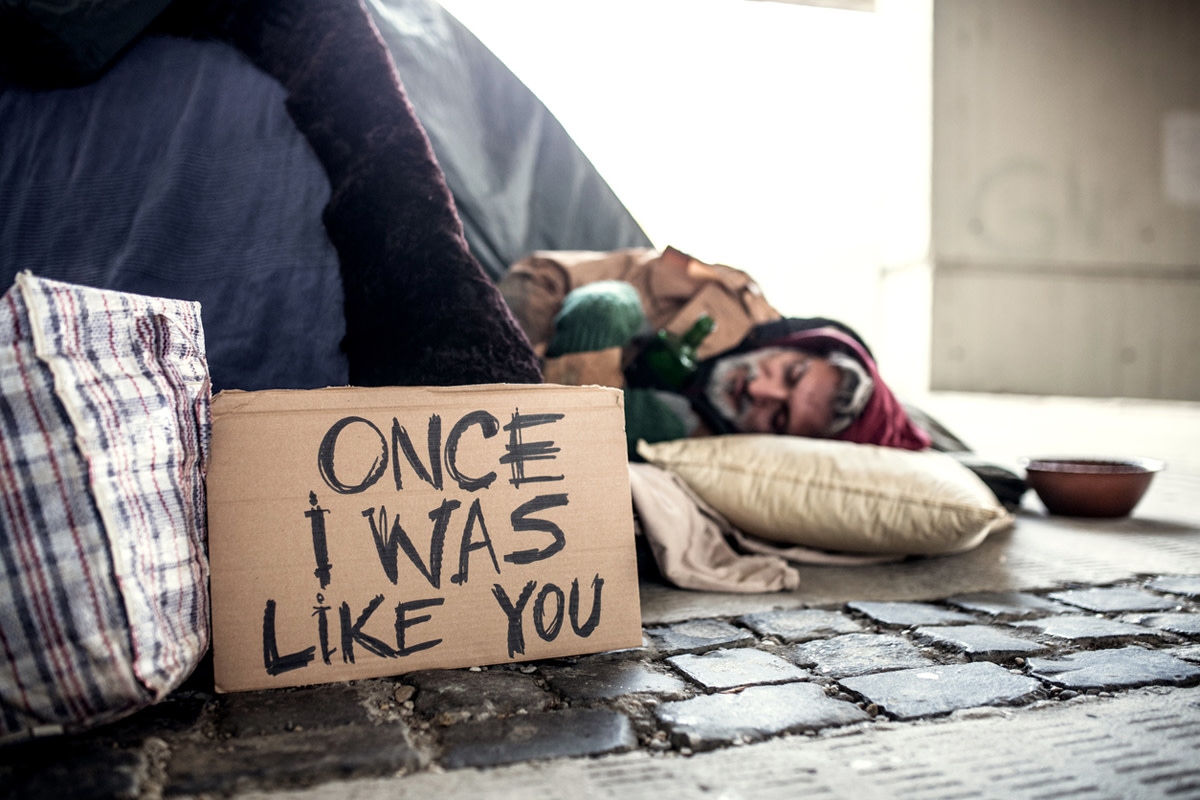
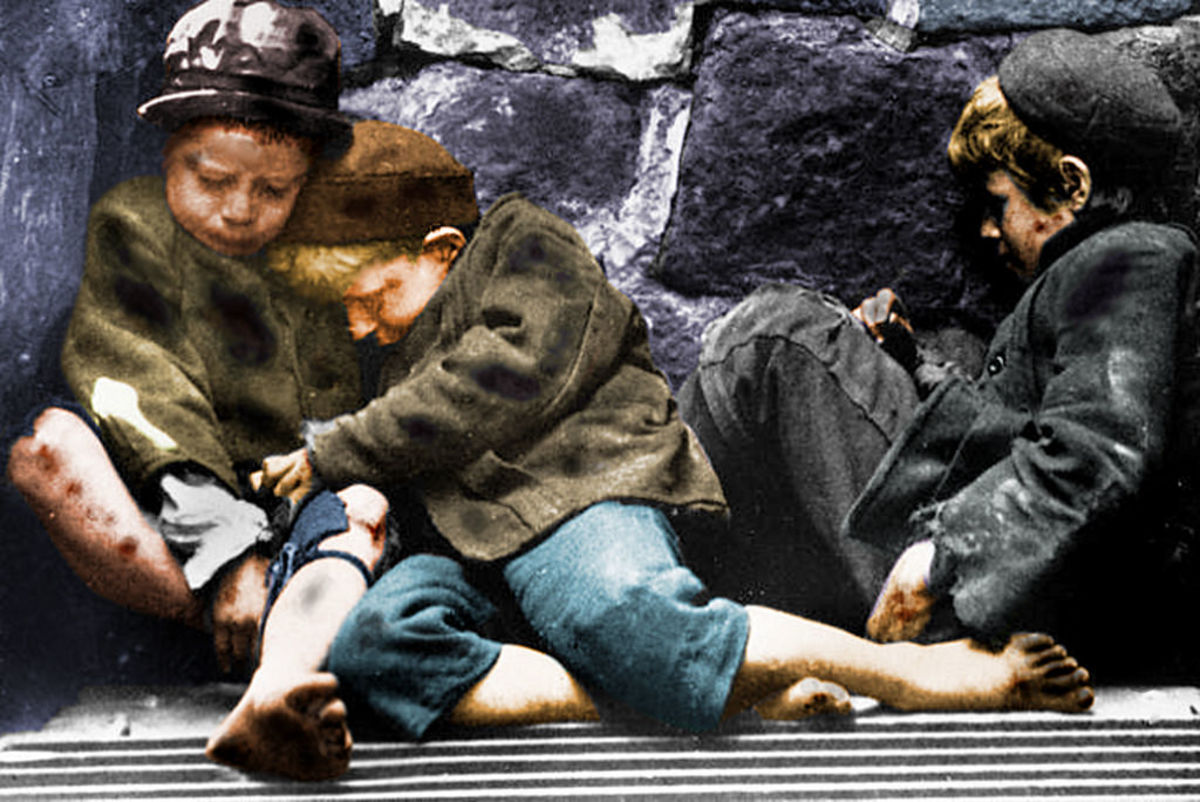
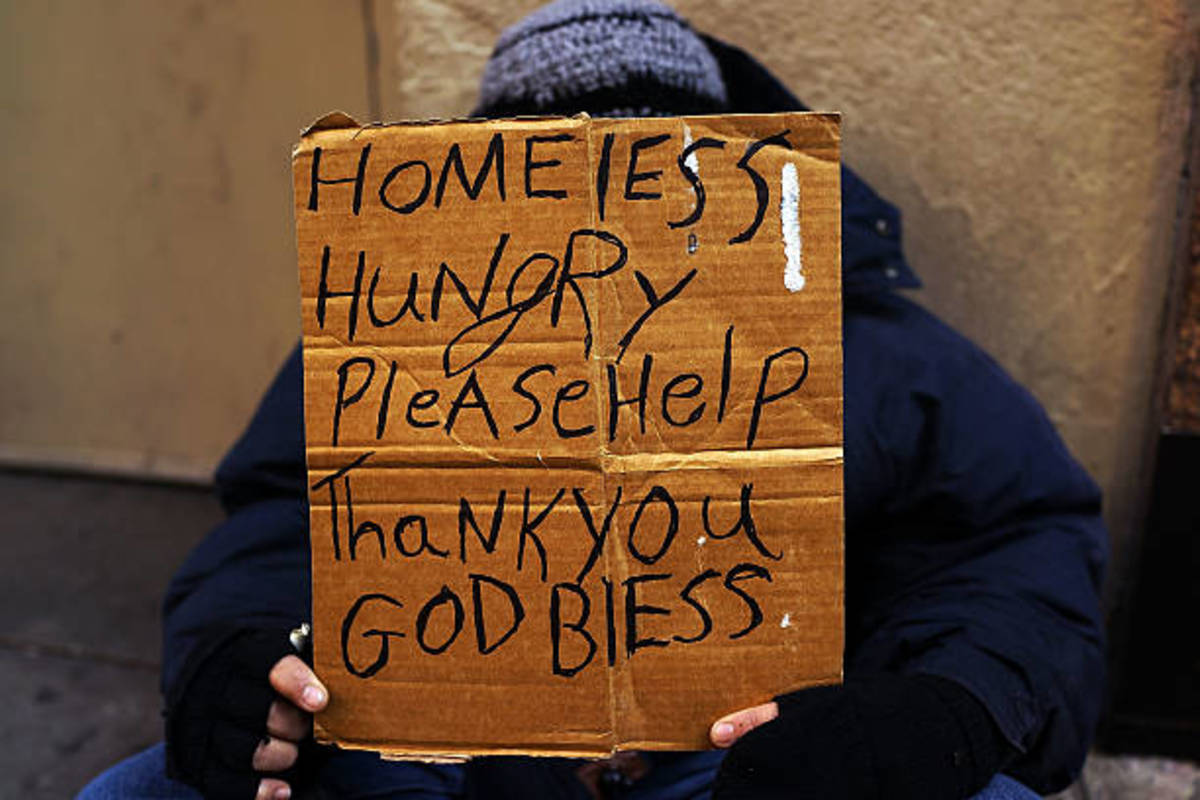
Life on the streets represents extreme danger for runaways. According to a recent Family and Youth Services Bureau Report, 35% of runaway and homeless youth had used drugs; 26% have attempted suicide; 33% were assaulted and/or robbed on the streets; 66% had trouble meeting basic needs away from home; and 80% had attempted or committed a theft-related activity. While homeless, youth often suffer from poor hygiene, lack of sleep, high exposure to violence (both as victims and witnesses) and difficult weather conditions, which can result in a variety of medical problems. Sometimes runaways exchange sex for food, clothing, shelter, or protection, increasing their risk for HIV infection and other sexually transmitted diseases. Other common threats to runaway and homeless youth include depression, thoughts of suicide, and high rates of intravenous drug use.
The Dangerous Life of a Runaway
Sandy's Story
In the summer of 1986, I moved into a house I purchased on the north side of town. It was an older house but I liked the neighborhood, with large oak trees and a huge park directly across the street. My home sat on a half-acre of land—not an enormous plot, but enough to have a sizable garden. A few days after getting settled, I opened the small shed in my back yard and noticed a paper cup on its floor. I was the only one to use the shed, and I wondered where this water cup came from. The next evening I sat on my front porch and watched softball games played across the street. After watching absent-mindedly for about a half-hour, I observed a young woman moving about the crowds that seemed out of place among the ballplayers and spectators. The girl was small and thin, with long black hair that spilled carelessly down her back. She wore a thin shirt and cut-off jeans. She wandered aimlessly and looked to be carrying something. It seemed obvious she wasn’t there to watch the softball games.
I stepped outside again a few hours later and noticed the girl was still there, long after the ball games ended. I walked across the street to check on her, cautiously approaching to ensure I didn’t frighten her. She carried two plastic jugs filled with stones. I softly said hello and asked if she was okay, but she barely acknowledged my presence. I asked her name, but still received no response. I told her I would help carry the jugs if she wanted to sit on my front porch, across the street. She nodded and surrendered one of the plastic bottles. Like a small child, she extended her now-empty hand to be led from the park. I asked if she preferred to sit outside or come into the house, and she gestured toward my front door.
We stepped inside and I offered her a chair, but she opted to sit on the floor in the corner of the living room. She told me her name was Sandy but offered no other information. I asked for her last name but Sandy didn’t reply. She didn’t respond to my questions about her age, either, which I guessed to be in the late teens or early twenties. I didn’t ask anything further. I told her she was safe and no one would harm her. I asked if she was hungry, and she nodded in the affirmative. I boiled some rice and she accepted a bowl, but actually ate very little. After she finished, I sat on the floor with her. The look in her eyes revealed great sadness and pain, and I wondered what tragedies this girl had endured. I told her stories of my younger days to convince her I understood what it was like to be alone, but suspected she attended more to the sound of my voice than my actual words. I spoke in soft tones until she stretched out on the floor. When I offered her a light blanket, she smiled and draped it over herself. I sat beside her until she fell asleep, and then moved to the couch in the same room. I resolved to get help for her in the morning.
The next morning I gently woke her and explained I wished to bring back some breakfast for us. I asked if she was okay; she replied that she was. I was encouraged when she offered a faint smile and admitted she was hungry. I judged her condition to be improved from the night before. She still seemed disoriented, but not as much so. She was willing to speak a little. I asked Sandy if she needed to go anywhere and she said not right away, but soon she needed to head for a better place. I wondered to myself what such an odd comment might imply. I asked her to come with me to get food, but she predictably declined. I told her I would return in less than fifteen minutes. Sandy smiled again and nodded. I debated whether to ask her to leave my house or let her stay inside while I was gone. I impulsively invited her to sit in the living room and wait for my return. Sandy returned to her spot on the floor. I hurried away to buy bagels and milk at the corner market, but when I returned and saw my front door standing open, I knew Sandy was gone. I contacted the police and described how I encountered her, and an officer promised to search for her. He assured me that my efforts to help were fine—she would have run if I called anyone, and I could not restrain her against her wishes. I drove through the neighborhood hoping to spot her, but realized I was confined to the streets and she was not. I continued looking, but after a few hours I reluctantly gave up.
A parting gift
The following afternoon I did some work in the back yard, and when I opened the shed to fetch my lawn mower, I spied a paper sack in the corner of the shed. I looked inside and saw a few simple articles of women’s clothing. Next to the sack sat two dusty jugs filled with stones. Sandy had left her possessions behind in the shed before she departed. I left her things untouched in the hopes she would come back for them, but she never did. I wondered where her “better place” was, and hoped it was one of safety. I was overcome with emotion, and sat outside the shed and wept for a few moments. Later I wondered if she were possibly more than just a disoriented runaway, and speculated that perhaps she was an angel or benevolent ghost. My father believed God sometimes sent people to him for assistance to test his willingness to help a stranger. Perhaps my compassion for others was being tested. The bag of clothes remained for approximately a month before I decided Sandy would not return. I set aside the jugs filled with stones through the winter but eventually disposed of them. I kept several of the stones from each jug and viewed them as a gift. If Sandy were an angel or ghost, I hoped keeping a few of the stones might offer a link to her spirit.
I am filled with conflicting emotions in the telling of this story. I have always believed I failed Sandy by not acting immediately. I should have telephoned the police or a social service agency at once, but believed if I did she would have left in fear or panic, which caused me to hesitate. Since she felt safe enough to spend the night on my living room floor, I should have used my second chance to call someone that morning. It was foolish to believe she would remain until I returned from getting food, but I hoped she realized I had her best interests at heart. I still occasionally wonder whatever happened to the frail apparition that appeared in the ball park on that hot summer evening. I remain sadly hopeful that wherever she was (and is now), Sandy remains safe and content.
There are many social service agencies and hot lines that can be contacted for the safety and protection of a runaway. Crisis centers exist in many U.S. cities that will shelter runaways for several weeks while offering counseling, recreational activities and help to reunify the teen with parents. These fine organizations exist for the benefit of troubled teens everywhere. They are for kids that are lost, confused, and need our help. They are for people like Sandy.

Read other hubs about social or societal issues
- Street Gangs in my Hometown: the Beginnings
Despite our best efforts, most of us have found ourselves in situations we did not want or intend to be involved in at one time or another. We interact with people we shouldnt be socializing with, make... - Working Class Pride
Work is both a human and economic necessity. It is the foundation of contemporary society. Our houses, schools, hospitals, and farms are all the result of human labor. Our art and technology are... - Vice Taxes: A Legitimate Means of Generating Revenue or a Curtailing of Freedoms?
After July 1st 2010, the cost of tanning will include a 10% federal tax included in the health care reform bill. This idea is a variant of vice taxes, which have assessed a surcharge for decades on... - Homeless Shelters: The Pertinent Issues
My hometown is known for the quaint, eclectic shops that line the five blocks of its downtown business district. Fine dining, new and consignment clothing stores, antique malls, art and crafts... - Are Men Oppressed?
What is oppression? Oppression is defined as the exercise of authority or power in a cruel, unjust or burdensome manner. It is an abuse of power typically manifested by categorizing and dividing... - Painting Versus Music--The Financial Dilemma
Why do musicians achieve fame and fortune in their lifetime, while visual artists struggle for notoriety and the financial independence to support their creative endeavors? What makes the Rolling Stones...
Helping Teenagers Cope
vote upvote downshareprintflag
- Useful (3)
- Funny
- Awesome (3)
- Beautiful (4)
- Interesting (1)
CommentsLoading...
I guess it's a common problem in many countries. Probably you are right, the greatest problem reside inside the family. And most governments do not face the problem in the right way, otherwise it won't be a problem anymore. It's a sad thing and as you say Mike they see no other solution than to run away; it's also probably linked with all those teens having destructive behavior and committing suicide. Very good hub, and if you weren't able to help Sandy, for her choice though, you did everything possible.
I hope wherever Sandy is - she is in a better place. You didn't fail her. From what I read, it was like you were tredding on Egg shells while communicating with her. She seemed very vulnerable and you wanted to keep her safe / make her feel safe too. Maybe, in the back of your mind, calling the police wouldn't have been a good option at that time.
I'm glad you were able to offer her comfort and I believe she will never forget your kindness too. She probably returned to the area staring at your house from across the road while you were also worrying. You did your bit. :)
My heart goes out to the these Runaways. Sometimes they think people don't understand them and just need someone to talk to them. They're just kids. Lets hope the number decreases.
Ps. Nice to see you Featured on HP Homepage today 2 Jan.
Best Wishes
There is no one answer, as you said, but you hit the biggest one in the comment. There are no easy solutions but a big problem also is that people have been taught to rely on external sources instead on their own strength: I give a little example: a block is awful, full of grey concrete, weeds, rubbish and so on. Waiting for someone else to clean it is useless, but if every landlord clean up and paints his own home suddenly the block has become a wonderful place to live, full of flowers, colors and with clean streets. We have only to remember that most of the times the only one who cares are us and that we can do something to make things better. But we have to do it by ourselves.
This doesn't work too much with problems inside families but should work a lot for the outside. And as you said right runaways are mainly an issue of countries where the family is not seen anymore as the biggest value.
At least most of the times.
Of course these days it's very hard to help kids, even when you want to.
I lived near Church Street, a very busy shopping are in Burlington, Vermont. And it's not unusual to see people of all ages panhandling on the sidewalks.
When it bothered me the most was when I saw a kid who fourteen years with a sign begging people for change. This kid wasn't homeless, he lived in the next town but he had an unstable homelife from what I understood.
I wasn't going to give him change because I knew the group he was hanging out with was only going to use it to try to buy tobacco or alcohol.
I'm not a social worker and though I tried to talk to him a few times when he came in to the store I worked at, I knew that I lived in a society that would not label me kindly if I tried to get close to a kid that I wasn't related to or being paid to help.
My best friend ran away when we were 14. I swore to her I would never tell anyone where she went, no matter what. Then I saw how heart broken her mother was. I couldn't handle it. I broke down and told them where she was because I was worried about her and couldn't bear to see her mother like that. When they found her in Michigan (we live in Alabama), they brought her home and she had to live in a girls home for a long time. I never wanted her to go through so much trouble.
I have apologized to my bff for breaking a promise, but I don't regret it in the least. If I hadn't told her mother where she was there's no telling what would have happened to her. The thought of her mother being grief stricken as she was and the thought of my bff without any money, food, or shelter was too much to bear.
You did the right thing by helping the girl, as most people would simply pretend not to see her. We've also always heard that sometimes complete strangers needed help are angels and to help those in need. Thank you for sharing this story with us.
This one was especially hard for me to read, because it hit too close to my own experiences that aren't old enough to not be tender.
My youngest child ran away from home alot when she was in high school. And I just about lost my mind from the worry of her surviving that period in her life.
I won't go into the details in my comment...too long...but I do want to say that sometimes everything can be right in the family and sometimes it's the child that is having the emotional difficulty.
I say this because of Mr Happy's comment at the top where he says "there must be something wrong with the basis of the family" for a child to run away.
I know by personal experience this is not always true. I will concede that many or even go as far as most of the time that may be true. But not always. And as a parent who had to live through that particular living hell I don't appreciate being lumped into some stereo type and don't want some other parent who is living my same experience having to feel condemnation for something they have little control over.
Regardless of the popular pop psychiatric wisdom that it comes down to being your parent's fault...I'm going to have to call that as I see it...BS
I apologize profusely if you took my umbrage to be pointed at your article. That was not the case at all.
Like I said in my first comment, this particular issue is probably too fresh for me to comment on un-biased.
My issue was actually with what your first commenter (Mr.Happy) had to say. It was his 2nd, 3rd & 4th sentences that got me all defensive. Maybe I am reading into them something that isn't there. But it sure read (to me) as though he was suggesting that he believed school & social issues weren't the problems, that the real problem lay with the families.
I just felt the need to stand up for all of us who are trying our best to live in difficult situations that seem to be beyond our understanding and control. That sometimes you do everything right and it still might go horribly wrong.
So glad for the 60/70s jargon...once made the awful mistake of telling a team of high school girls I was coaching that we needed to "bone up" on some skill we were lacking in and had to suffer many days of humiliation and ridicule.
Although I'm not ancient and should have realized the danger of such a term...in my defense there are two chief theories as to the origin of this phrase. One is that it derives from the practise of using bones to polish leather. So, to 'bone up' on a subject was to polish or refine one's knowledge (don't ask what the 2nd is, it's even more boring). Besides, my mother use to say it! So I do have a point of reference...but I digress...
I am glad all is "cool" and have decided to write my own blog concerning my "concern" with the comment. Still in editing phase, will probably take my time as it feels important to me.
And yes, Voice is just fine...adding "Just A" is way too formal, not to mention a waste of typing :)
Inspiring article, Mike. It is a scary thing... It is very sad to see teenaged kids running away from home or that are just homeless. After awhile, they realize what a big struggle it is out there on the streets.
I did write a novel about homeless teens, and I am working on getting it published.
I was one of these teenage runaways back in the early 70s when at 16, I ran away from the foster home where I had been placed and went to the Haight-Ashbury area of San Francisco.
This is such a sad story. It makes one wonder whatever happened to this young girl? One can only hope this vulnerable child is still alive and happy somewhere.
A well written and insightful hub. It's such a sad situation for the kids and the parents/loved ones.
This is one of the best Hubs on the subject of runaways - I was never one, but I considered running away many times when my mother was mad at me. Hubs, information, and stories on running away help me reconsider.
Mike first let me commend you for being who you are. A caring,loving and yes emotional man. You were her Angel believe it or not, and yes do I believe Angels walk amongst us, that's a certainty. If you read about a man that entered my life and saved me from the streets in my Legacy series you will understand. You were there for her, without police intervention and that was a good thing. She gave you a glimpse into her world for a moment and you handled it very well, she knew when you extended your grace to her and invited her into your house to talk, eat and just spend quiet time with her was sufficient warmth for her. Another hub I wrote about Donnie going to the dark side in the streets of Montreal is a poignant reminder to any person young or old, why you don't want to be there. Sandy has her demons to struggle with as do all of the homeless living in the streets of our world, all we can do is be there and not shun them, extend our grace and care for them, they are our brothers and sisters. Sir I thank you for sharing this moment in time, I feel your pain and I pray that Sandy is in a better place, feeling the warmth and kindness from people like yourself, God bless you sir, love and peace. ps another hub I have about a homeless Angel in Makeup....enjoy and keep paying it forward.
Mike your very welcome, I wondered as I read your story about those jars of stones? I wonder what they meant and if it's symbolic, I hope you still have those stones, they may have something to do with you inner light and strength you defect against demons as I read in one of your other paranormal hubs. Very interesting indeed, maybe she left you a gift.
God bless you Mike!
Your story is very eye-opening to the fragility of life, and the capability of kindness. For my Social Justice grade 12 class in school, we are doing a project on poverty, and I chose the "teen runaways" topic. I'm just inquiring if you have any facts and/or statistics on teen runaways. I need these 6 following questions answered and I'd appreciate your help.
1) What is this group's experience of poverty ? ( e.g., Financial, material, hardship, marginalized, or exclusion?)
2) Who is in this group ? (e.g., number of people, age, sex, location)
3) What are the causes of poverty for this group?
4) What are the barriers the group faces to overcoming poverty ?
5) What are the solutions to address and eliminate poverty for this group ?
6) What are society's attitudes toward this group ?
I can use a number of different sources, and I would appreciate your input.
Thank-you for your time & generosity in posting such an influential reflection.
This helps immensely as I need different points of view, not just cold hard facts. I thank-you very much for your input & appreciate your time.
Thank-you !
This is excellent, written with such compassion and empathy.
There are many, many young people living rough here in England, I too was one of them a lot of years ago and I have never forgotten, thank you no one could have written it better than you.
Teenage runaway is one of the most serious problems of depressed children. Many of the isolated teenagers leave their homes. Teenagers of ages 10 to 18 years mostly runaway. This is very shocking news. Parents of the struggling teenagers must guide and love their kids to overcome poor emotions and choices. This can reduce the chances of teenage runaway.
HHHHHHHHEEEEEEEEEEEEEYYYYYYYYYY mike ai have a question


Mr. Happy Level 7 Commenter 2 years ago
"Reasons can also consist of problems with school, boyfriends or girlfriends, or difficulties with parents or guardians."
I do not think that a kid would run away from home due to problems with girfriend/boyfriend or due to school problems. There must be something wrong with the basis of 'the family'. Indeed I think there are many things wrong with North American families. Kids are glued to the TV, most are highly materialistic bombarded by advertisments on a daily basis ... we are all failing theses run-away children. I am sure they do not like to be "run-aways" but they don;t know what else to do ... it is very sad. Thank you for a great blog.